What Is the Name for Beef Fat
All Nigh Animal Fats: What'south in a Proper noun?
Fats tin can make or break your meal.
Quality cooking fats will embrace the flavors you introduce them to: fragrant, fresh-picked rosemary, spicy thai peppers, pungent black mustard seeds. They carry flavors into all the nooks and crannies of your stir fry, lamb roast, and cranberry scones. Fats are a metabolism-boosting, nutrient-dense macronutrient that attend you deeply, from brain to microbiome, and help yous feel satisfied at the end of a meal. And, they gustation astonishing.
But how do you choose a quality cooking fat? Does it need refrigeration in one case it'southward opened? What kind of storage container is best?
Keep reading for the answers...

What'southward What in the World of Fat
First, let's look at processing. Fats take to be extracted from the source plant or animal, and then processed in some way to end up in a jar or canteen.
Well-nigh brute fats go through a process chosen "rendering," using heat, steam and agitation. These fats may be farther processed past:
-
Filtering
-
Bleaching (with clays or charcoal)
-
Hydrogenating (adding hydrogen gas)
-
Deodorizing with steam distillation
These practices may assist fats look pure and appealing, neutralize odor and help them last longer.
However, hydrogenating animal fats creates unhealthy trans fats, so best to avoid annihilation that says "hydrogenated."
The most nutrient-dense fats will be the ones with the to the lowest degree amount of processing. That's the jar you want to reach for when prepping your wok for fried brussel sprouts.
You can usually purchase fabulous, minimally-processed lard and tallow direct from a rancher at your local farmer's marketplace. Or buy some fat meats and brand your own.
Dwelling rendering is easy! Simply cook your meat, drain the fat, and filter through a fine cheesecloth or coffee filter while hot. I similar to do this with pasture-raised beef, bacon, goose, and duck. Yous tin even buy inexpensive slabs of fat to return for a amend yield. But beware: toxins bioaccumulate in fat, so information technology's always best to use pastured, all-natural meats for fatty rendering.

Foliage Lard, Bison Tallow, and... Schmaltz?
If you lot've never heard of these, y'all're not solitary. Now let'south look at all these names for various types of beast fats!
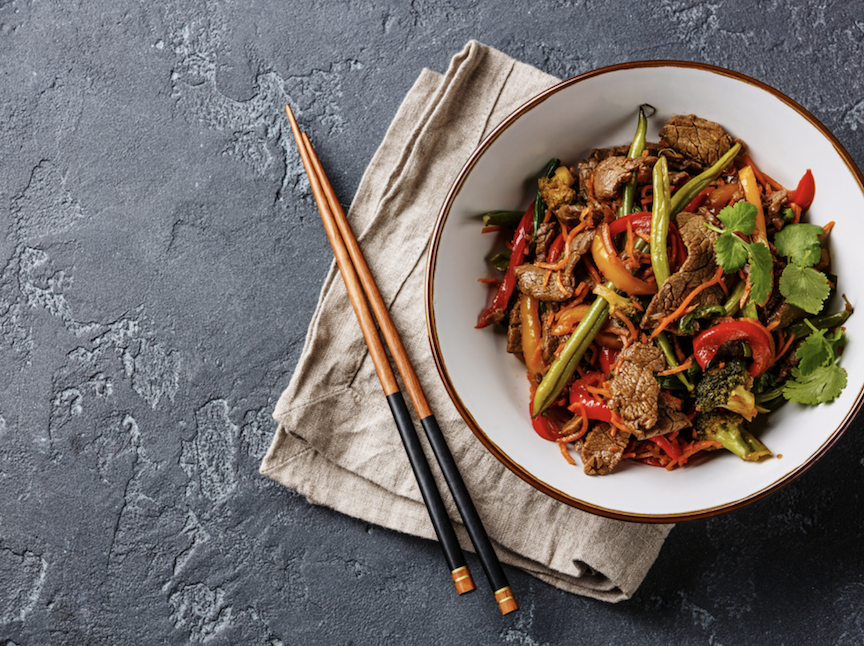
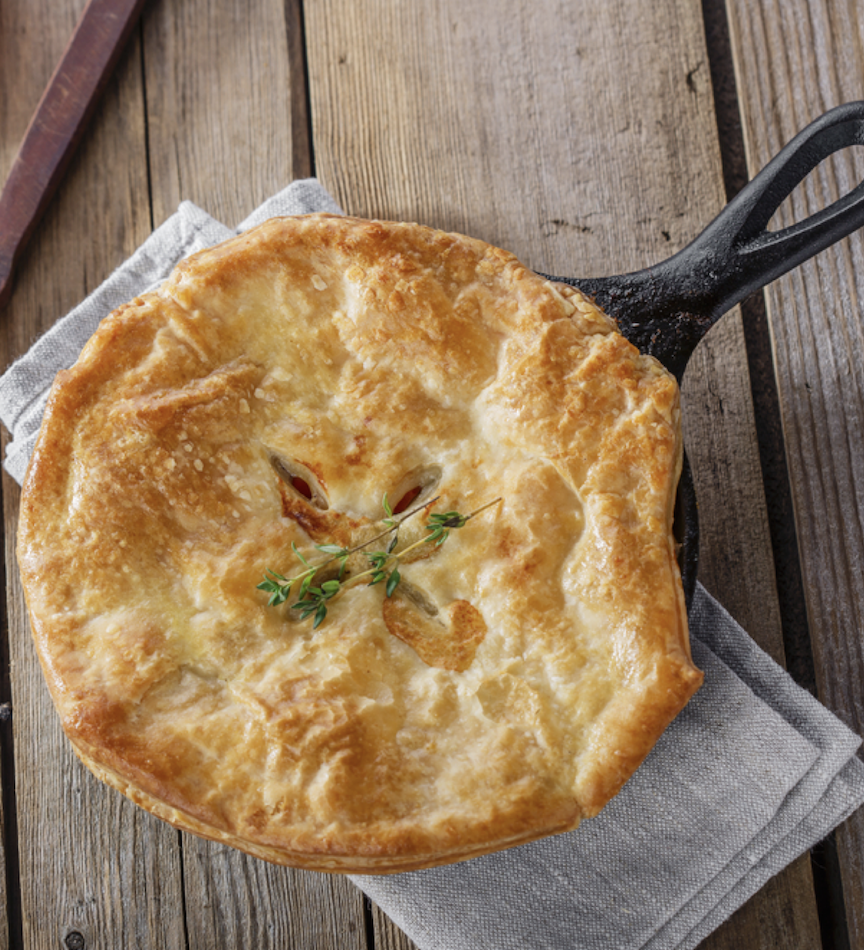
Tallow comes from ruminant animals, like beefiness, bison, and sheep. Tallow is heavenly in pot pies, adds season to grains or stir-fry, and is scrumptious on oven-roasted veggies.
This is a practiced fat for loftier temperature cooking, similar searing meats, but it's likewise great in savory eggs and even biscuits. (I make grain-free biscuits using this recipe and substitute tallow for the palm oil.)
Tallow is a fabled source of salubrious saturated fat, is high in monounsaturated fat, and has some omega-3 fats besides. Considering it has a high smoke point (400º), you can reuse it after frying. Rich in cancer-fighting CLA (conjugated linoleic acid), a little tallow in your diet might be benign for reducing inflammation, improving heart wellness, and promoting bone health.
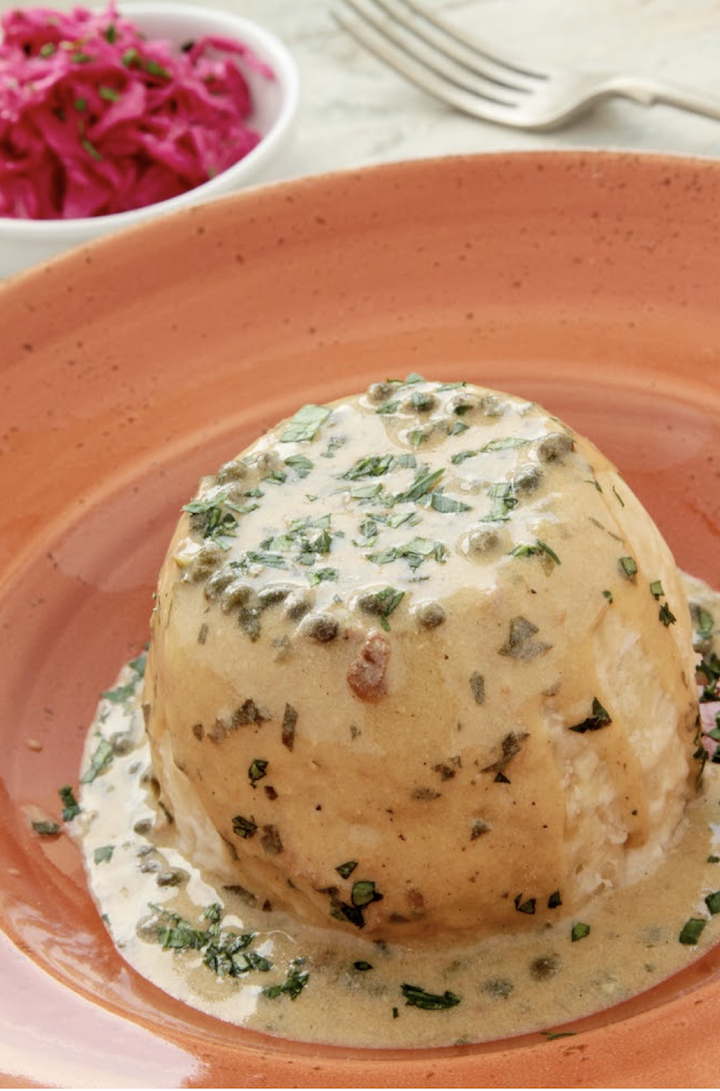
Suet is the raw, hard fat found effectually the kidneys of animals, ordinarily cows and sheep. Its 325º smoke point makes it perfect for baking. It has a mild season and is used for traditional English language dishes like swimming pudding, or spotted dick -- which are kind of like what we'd telephone call sponge cakes!
Lard comes from pigs, and is a very high source of vitamin D, as long as the pigs are pastured. Information technology has a higher smoke betoken (370º) than many fats and is peachy for baking and stir-fry. Lard is slightly college in heart-loving monounsaturated fat than saturated fat. Along with tallow, lard is a source of omega-3 fats. These are the fatty acid superfoods we all need more than of; they boost your immune organization, help balance healthy gut leaner, and reduce inflammation. Note that omega-3 fats are significantly higher in animals that are pasture-raised, eating their natural diets.
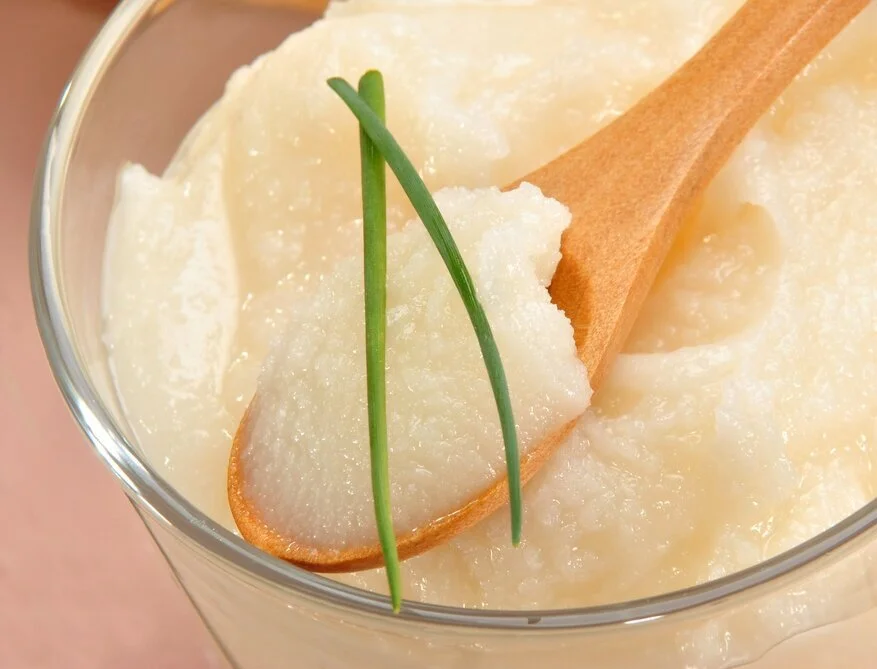
Leafage Lard also comes from pigs. Yous can return any pork fat into lard, but the fat found around the kidney produces a more refined fatty called "leaf lard." It has a lighter flavor and texture and is corking for baking, as information technology has a balmy, buttery flavour.
Schmaltz comes from chickens and geese. Information technology is high in linoleic acids, a benign omega-vi fat acid. Chicken fat is traditionally used in a lot of Jewish cooking, and I know my grandmother used to make the most amazing "chopped chicken liver" with the stuff. It adds a savory punch to grains, legumes, veggies, and near any poultry dish. Schmaltz is higher in MUFAs (monounsaturated fatty acids) than other poultry fats, then it's best for low to medium heat cooking, similar a quick sauté or a low, slow simmer.
Traditional English Pudding
Goose fat is highly-prized, and makes amazing roasted vegetables, mouth-watering risotto, and lightly-seared poultry. Having higher saturated fat content, goose fat tin handle sautéing or lite frying.
Duck fat is a world of its ain when information technology comes to poultry fats. It is slightly sweet and brings exceptional flavor to grains, legumes, stews, and pretty much any vegetable. Similar to goose fat, it can handle higher rut cooking. I'm constantly using it for stir-frying annihilation, searing meats, or rubbing downwardly a chicken earlier roasting. I've made these AIP/Paleo "cheez-its" substituting frozen duck fat, and they are insane. Or how about some duck-fat popcorn?
Duck fatty works well at medium to high temperatures (375º fume bespeak), and is generally a monounsaturated fat. If you've ever roasted a duck yous know the stuff practically pours out, so this fatty requires no processing. Possibly simply run information technology through a coffee filter and store information technology in your fridge or freezer.
Storing Fauna Fats
Rendered, traditional fats accept been around longer than nosotros've had refrigeration. According to the folks at Fatworks (an amazing online pastured fatty resource), tallows and ghees are fine in the pantry, but store poultry fats and lard in the refrigerator.
Nearly animal fats will stay fresh in the refrigerator for vi months to a year, merely they freeze well for upward to 3 years. You can freeze them in ice cube trays or small drinking glass freezer jars. I utilise a little ice foam scoop to make frozen fat blobs that I pop out for a quick stir-fry.
Butter and Ghee
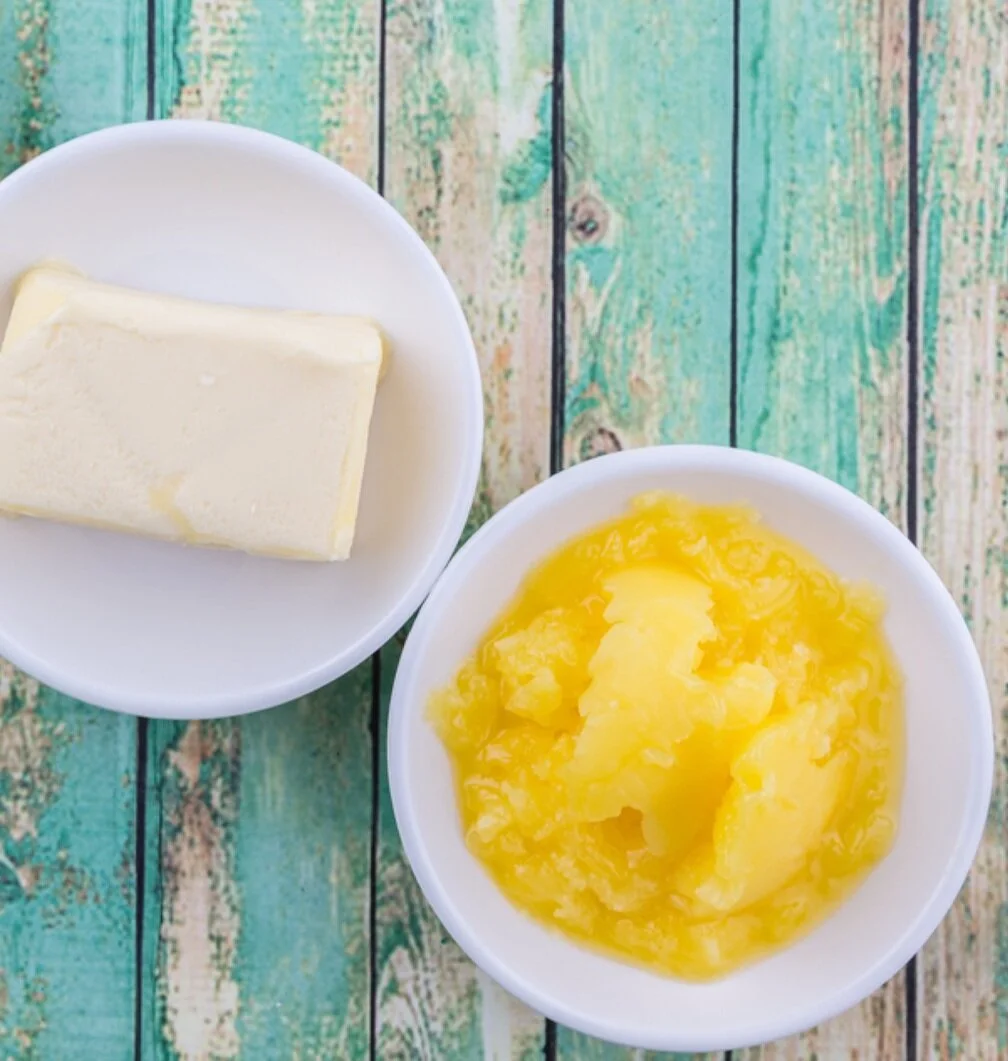
Butter is back. For several deplorable decades, butter got framed for heart disease. But now we know what our great-grandparents knew: butter is only plainly good for you. Most of the butter available is from cow dairy and the best sources are from not-gmo, grass-fed, pastured cows. Unsalted butter is best for cooking, every bit yous can always salt a dish to taste. In that location's aught like it for baking, and—bonus!—butter is a groovy source of vitamins A, D, E, B12 and K2.
Butter lasts in the fridge for six-9 months and freezes well. And your butter volition even so exist good upward to a month past the "best by" engagement on the wrapper, unless frozen.
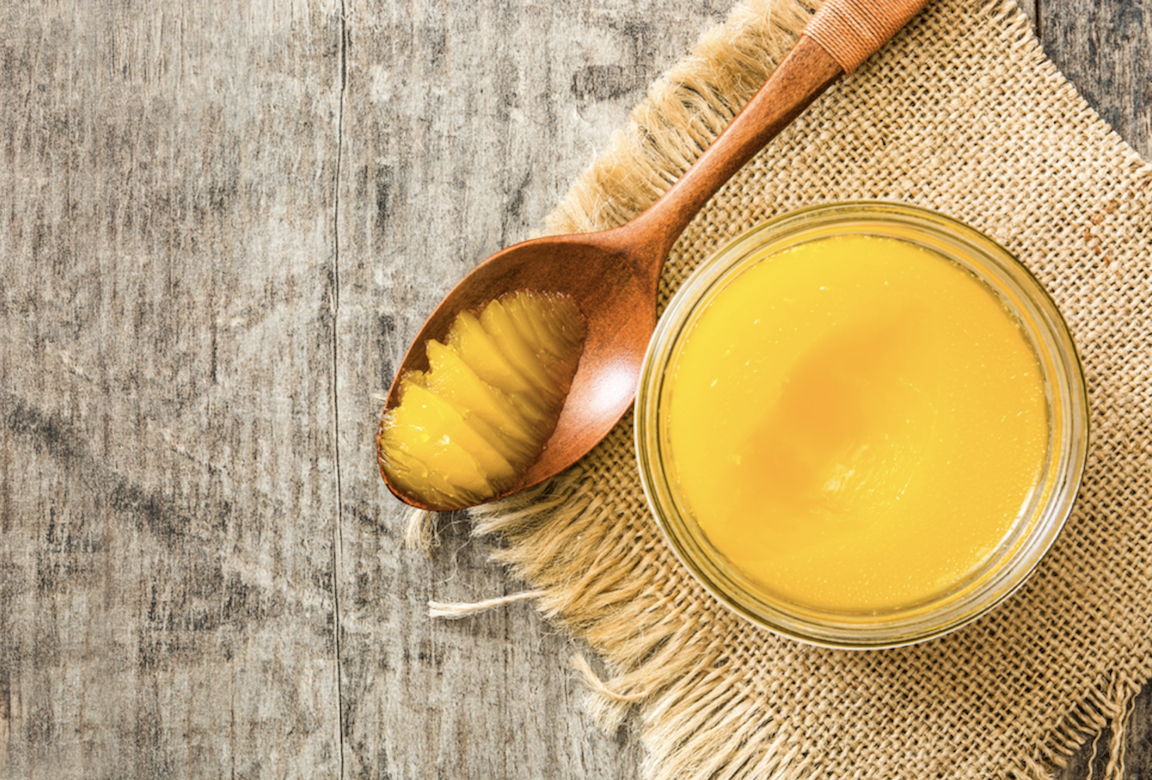
Ghee is a blazon of butter that has been clarified. Information technology is gently simmered, and the milk solids float to the top and sink to the bottom. The fragrant, nutty, golden oil in the middle is ghee. This oil tin be used for very high-heat cooking (485°) , and has a versatility that can add a new dimension to eggs, steak, grains, or leafy greens.
For a quick Indian meal, heat up 2 T. ghee, simmer 1 tsp. of black mustard seeds and cumin until they popular, and so add 2 tsp. fresh ginger, a clove of fresh minced garlic and a tsp. back-scratch powder. Turn off the stove and set up that aside. Your firm will odor similar heaven and y'all can add together that curry mix to soups, grains, veggies, really annihilation.
Ghee lasts longer than butter and can safely be left out on your counter elevation for upwards to iii months. Yous can freeze ghee in cubes or by the jar.
Some people who are sensitive to the milk proteins in butter do well switching to ghee.
Butter and ghee are a nifty source of butyric acid, an of import curt-chain fatty acrid. This health-giving rockstar is essential for fueling the "practiced" bacteria in your gut, and is a superfood for the colon. Butyric acid is a hot topic in medicine today, and is being explored for diabetes, IBS, and Crohn's disease and some types of cancer.
Fatten Your Pantry
Good animal fats to have on hand might include:
-
Lard (pork fatty, leafage lard, or suet)
-
Poultry fatty (duck, chicken, or goose)
-
Butter or ghee
-
Tallow (beef, lamb, or bison)
H ere is a resources to help you identify which fats to include in your pantry and which ones you lot might want to permit go of.
Looking for some fat-spirational recipes? Cheque out these guys.
In that location is zip else in a meal that volition make you smack your lips, rub your belly and sigh with delectation like a well-chosen cooking fatty. Sear your steak in some ghee, flash-fry your curly kale in lard, roast some potatoes in goose fatty and end your butternut squash with a drizzle of pumpkin seed oil.
I recommend experimenting with a variety of these brute fats to discover which ones you like all-time. Information technology might even be fun to utilise the aforementioned recipe more than once, and each time endeavour a different animal fatty. And if you lot're wondering, "what about vegetable oils?", don't worry. We'll cover the ABC's of plant oils adjacent week!
Until and so, happy experimenting with animal fats!
This commodity is for educational purposes merely and is not meant to offer medical advice.

Most the Writer
Pamela Grant is a licensed acupuncturist, Nutritional Therapy Practitioner (NTP) , Certified AIP Autobus and Certified Sheng Zhen Teacher living in Santa Barbara California. She specializes in autoimmune Hashimoto's, and believes in a food-dense, whole foods, prove-based approach to total wellbeing. She is passionate about helping clients understand their own bodies so they can brand informed choices. In addition to working with private clients, Pamela leads weekly online educational activity groups for those who wish to learn more: The Thyroid Masterclass, Know Your Nutrition, and Mindful Movement. If you are interested in Pamela'southward weekly classes, you can e-mail her to become on her mailing listing. Pamela's other passions include meditation, qigong, playing in the kitchen, combing through piles of nutrition books, and hanging out with her wonderful husband Craig.
Source: https://pamela-grant.com/blog-ss/all-about-animal-fats-whats-in-a-name
0 Response to "What Is the Name for Beef Fat"
Post a Comment